
What problems make Commercial and Industrial Concrete necessary in Cornwall and Eastern Ontario?
Name the visible symptoms or property conditions that create a need for Commercial and Industrial Concrete in Cornwall and Eastern Ontario. Explain why the problem develops, why timely service matters, what can worsen if it is ignored, and what must be assessed before work begins.
How does professional Commercial and Industrial Concrete protect the property?
Commercial and industrial concrete projects need a clear relationship between the surface and the work happening on it. Entrances, loading areas, sidewalks, warehouse approaches, equipment pads, service yards, and employee or customer routes may have different traffic, access, safety, drainage, and scheduling requirements. In Cornwall and Eastern Ontario, planning should account for the property’s use, the sequence of operations, winter conditions, and how the new work connects to existing pavement or structures. A useful first request identifies the site, approximate area, intended loading or traffic, access restrictions, operating hours, existing damage, drainage concerns, drawings, and the people who need to coordinate the work. A small pad and a large service yard are not the same type of project, and the correct scope may depend on subgrade, thickness, reinforcement, joints, edge details, and the equipment that will use the surface. Commercial work also benefits from realistic communication. Review the project information, identify unknown conditions, compare practical options, and confirm the next steps before making commitments about timing or outcomes. If the work must be staged around customers, tenants, deliveries, or production, include those constraints early so the discussion is grounded in the actual property.
When should a property owner call about Commercial and Industrial Concrete?
Commercial and industrial concrete projects need a clear relationship between the surface and the work happening on it. Entrances, loading areas, sidewalks, warehouse approaches, equipment pads, service yards, and employee or customer routes may have different traffic, access, safety, drainage, and scheduling requirements. In Cornwall and Eastern Ontario, planning should account for the property’s use, the sequence of operations, winter conditions, and how the new work connects to existing pavement or structures. A useful first request identifies the site, approximate area, intended loading or traffic, access restrictions, operating hours, existing damage, drainage concerns, drawings, and the people who need to coordinate the work. A small pad and a large service yard are not the same type of project, and the correct scope may depend on subgrade, thickness, reinforcement, joints, edge details, and the equipment that will use the surface. Commercial work also benefits from realistic communication. Review the project information, identify unknown conditions, compare practical options, and confirm the next steps before making commitments about timing or outcomes. If the work must be staged around customers, tenants, deliveries, or production, include those constraints early so the discussion is grounded in the actual property.
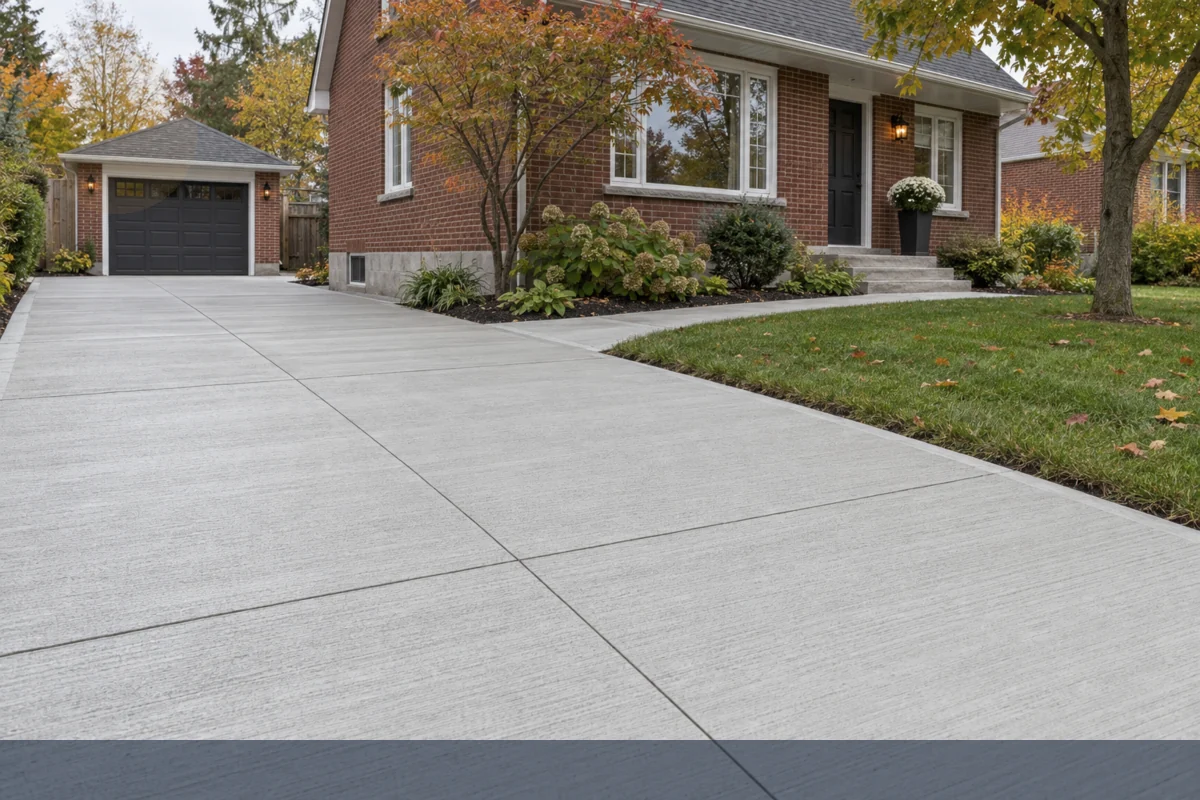
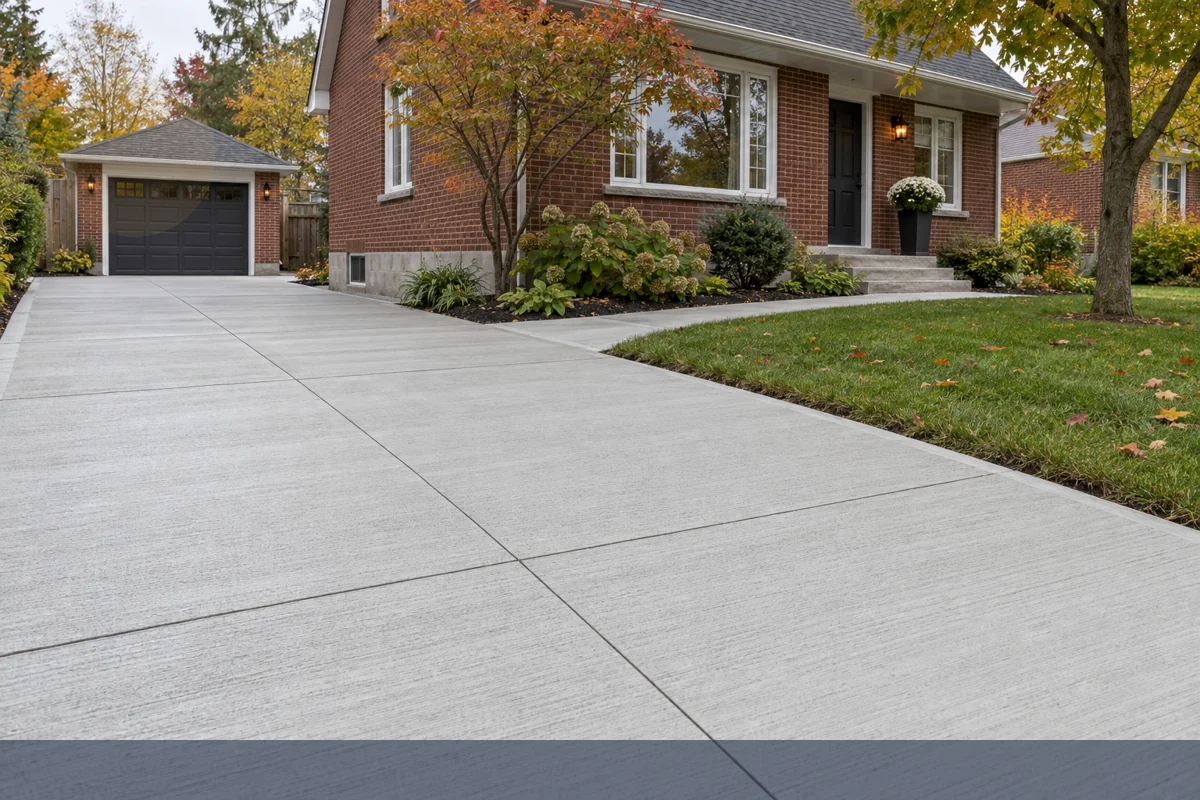
Questions worth answering before work begins
Consider how the surface will be used in every season, how water will move, what equipment or people need to reach it, and which existing features must remain protected. Note the areas that are cracked, settled, soft, narrow, difficult to access, or no longer fit the property. A concise description with photos and approximate measurements helps organize the next conversation and makes it easier to compare appropriate service options.
Questions worth answering before work begins
Consider how the surface will be used in every season, how water will move, what equipment or people need to reach it, and which existing features must remain protected. Note the areas that are cracked, settled, soft, narrow, difficult to access, or no longer fit the property. A concise description with photos and approximate measurements helps organize the next conversation and makes it easier to compare appropriate service options. Also note nearby doors, steps, fences, gardens, downspouts, trees, utilities, and future improvements so the proposed work can be discussed in context.
Discuss your project
Share the location, scope, timing, and any site conditions that may affect the work.