
What problems make Concrete Pads and Slabs necessary in Cornwall and Eastern Ontario?
Name the visible symptoms or property conditions that create a need for Concrete Pads and Slabs in Cornwall and Eastern Ontario. Explain why the problem develops, why timely service matters, what can worsen if it is ignored, and what must be assessed before work begins.
How does professional Concrete Pads and Slabs protect the property?
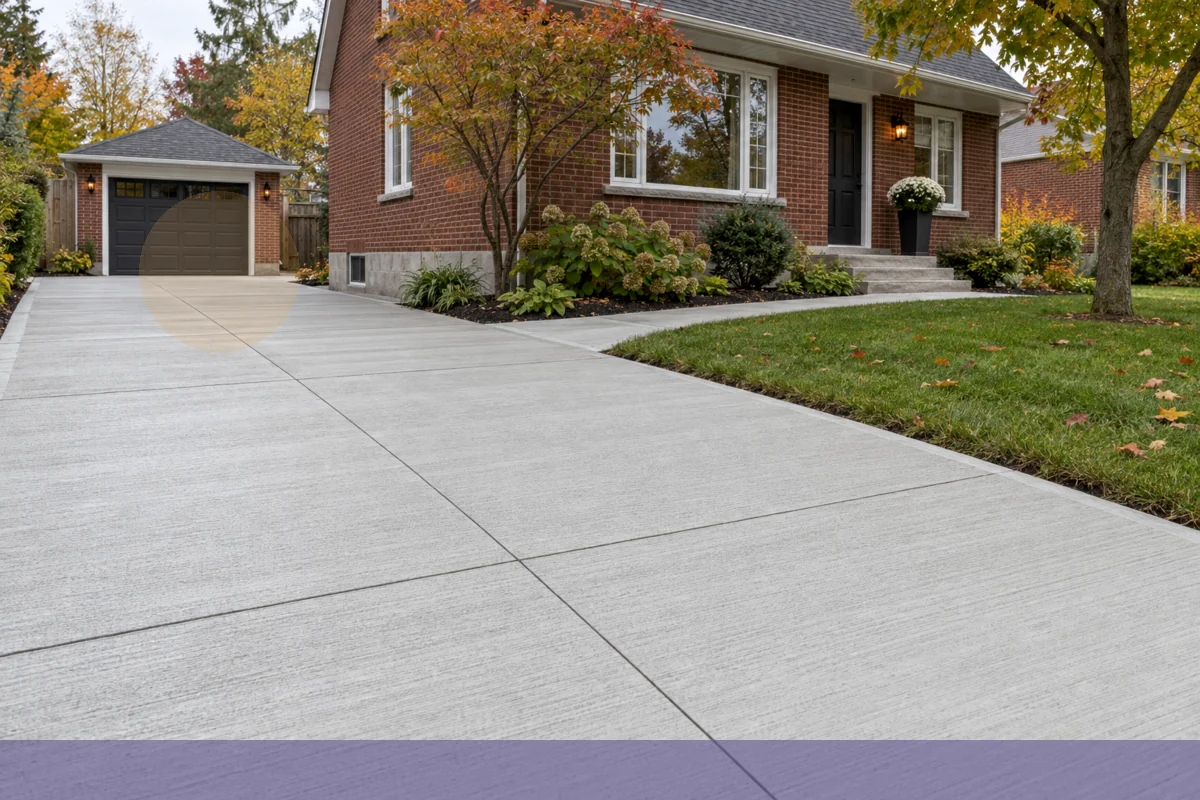
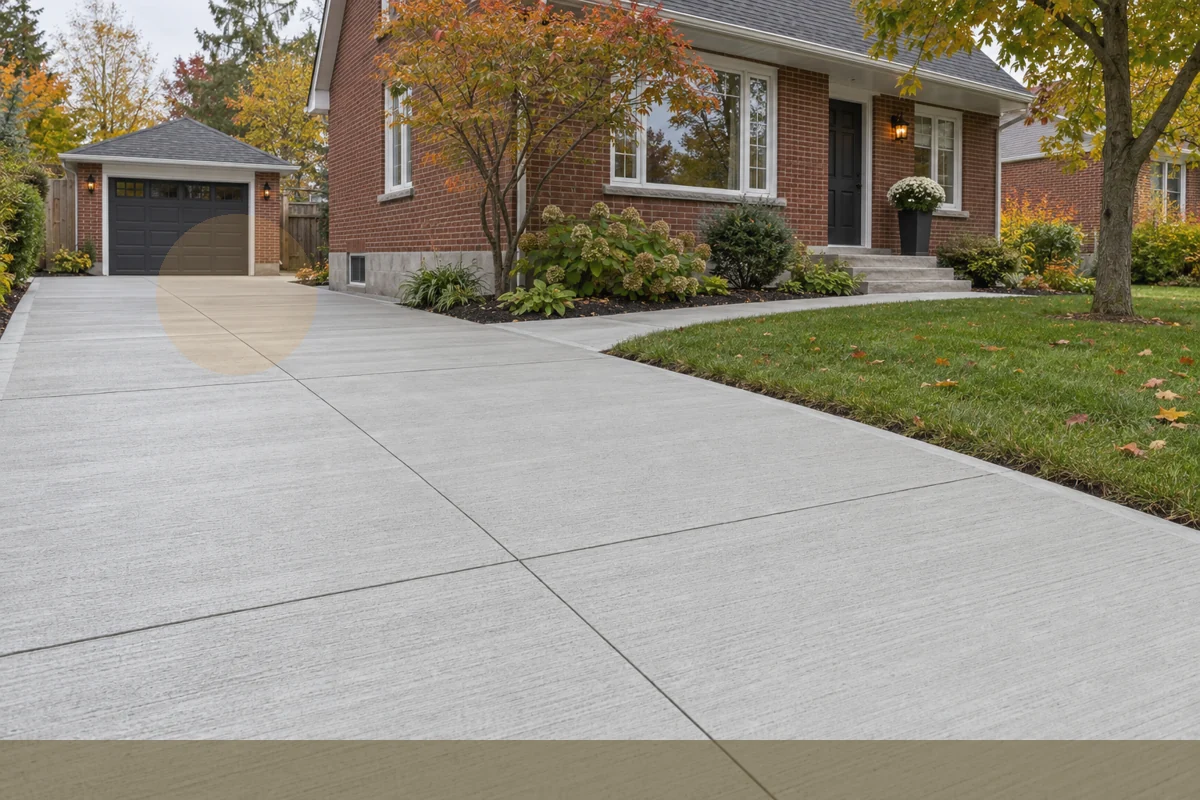
Concrete pads and slabs provide a stable base for sheds, garages, workshops, hot tubs, bins, outdoor equipment, utility areas, and other property improvements. The correct design depends on what the slab will support, the dimensions of the structure, soil and drainage conditions, access, edges, and any requirements from the structure supplier or municipality. A slab should be planned around its use instead of treated as a generic flat surface. Owners often begin a project because an existing pad is cracked, settled, undersized, or holding water. A new structure may require a clean and level base, while a rural or commercial site may need a different approach to access, loading, or equipment. Photos, approximate dimensions, intended loads, location, grade changes, and available plans help identify the questions that need to be answered before a scope is chosen. Preparation matters as much as the visible finish. Subgrade, drainage, base material, formwork, thickness, reinforcement, joints, edges, and curing all contribute to performance. If a slab will receive a structure, confirm the supplier’s requirements and any permit or setback questions before construction. Cornwall Concrete Contracting can help organize a practical discussion for properties throughout Cornwall and Eastern Ontario.
When should a property owner call about Concrete Pads and Slabs?
Concrete pads and slabs provide a stable base for sheds, garages, workshops, hot tubs, bins, outdoor equipment, utility areas, and other property improvements. The correct design depends on what the slab will support, the dimensions of the structure, soil and drainage conditions, access, edges, and any requirements from the structure supplier or municipality. A slab should be planned around its use instead of treated as a generic flat surface. Owners often begin a project because an existing pad is cracked, settled, undersized, or holding water. A new structure may require a clean and level base, while a rural or commercial site may need a different approach to access, loading, or equipment. Photos, approximate dimensions, intended loads, location, grade changes, and available plans help identify the questions that need to be answered before a scope is chosen. Preparation matters as much as the visible finish. Subgrade, drainage, base material, formwork, thickness, reinforcement, joints, edges, and curing all contribute to performance. If a slab will receive a structure, confirm the supplier’s requirements and any permit or setback questions before construction. Cornwall Concrete Contracting can help organize a practical discussion for properties throughout Cornwall and Eastern Ontario.
Is a damaged slab the same as a foundation problem?
A damaged outdoor slab and a building foundation problem require different assessments. A surface replacement should not be presented as a cure for movement in the structure beside it. For properties in North Carolina, foundation repair in Gastonia is a separate service to investigate. For a Cornwall slab project, explain whether the damage affects only the concrete surface or also the adjoining building so the scope can be clarified before work is quoted.
Questions worth answering before work begins
Consider how the surface will be used in every season, how water will move, what equipment or people need to reach it, and which existing features must remain protected. Note the areas that are cracked, settled, soft, narrow, difficult to access, or no longer fit the property. A concise description with photos and approximate measurements helps organize the next conversation and makes it easier to compare appropriate service options.
Questions worth answering before work begins
Consider how the surface will be used in every season, how water will move, what equipment or people need to reach it, and which existing features must remain protected. Note the areas that are cracked, settled, soft, narrow, difficult to access, or no longer fit the property. A concise description with photos and approximate measurements helps organize the next conversation and makes it easier to compare appropriate service options. Also note nearby doors, steps, fences, gardens, downspouts, trees, utilities, and future improvements so the proposed work can be discussed in context.
Discuss your project
Share the location, scope, timing, and any site conditions that may affect the work.