
What problems make Concrete Walkways necessary in Cornwall and Eastern Ontario?
Name the visible symptoms or property conditions that create a need for Concrete Walkways in Cornwall and Eastern Ontario. Explain why the problem develops, why timely service matters, what can worsen if it is ignored, and what must be assessed before work begins.
How does professional Concrete Walkways protect the property?
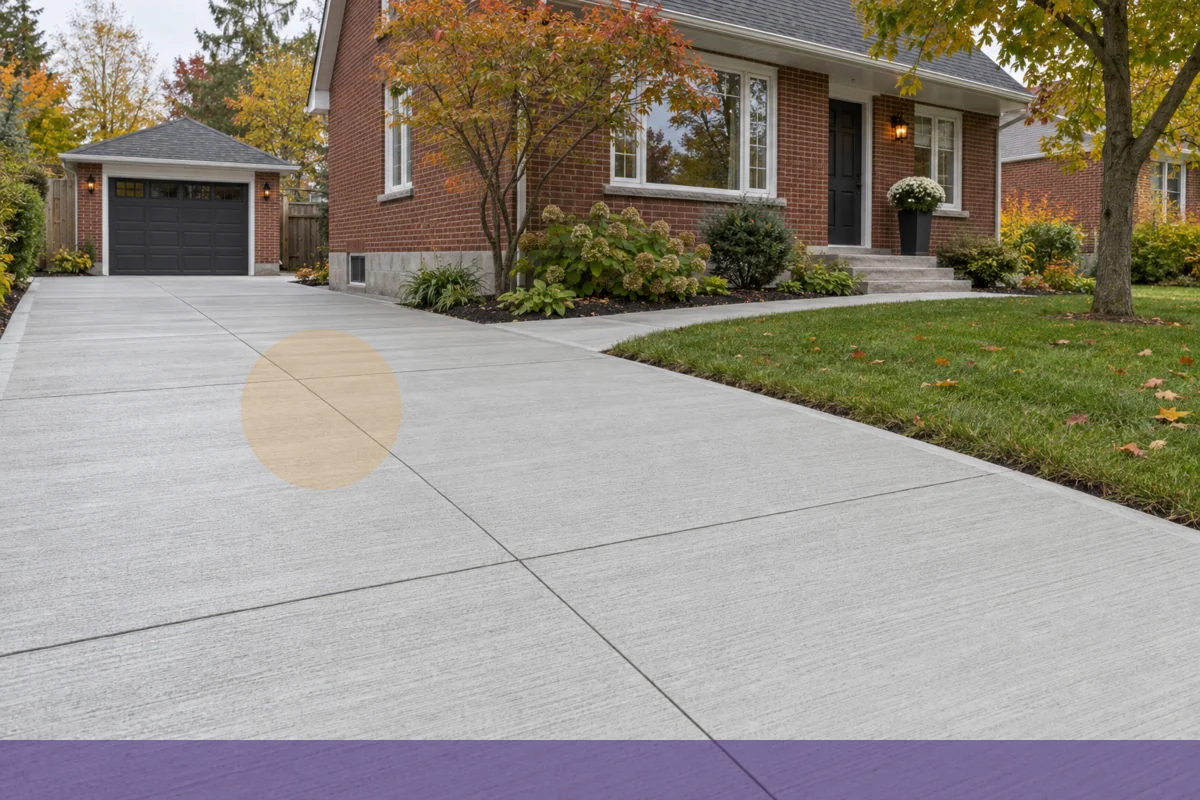
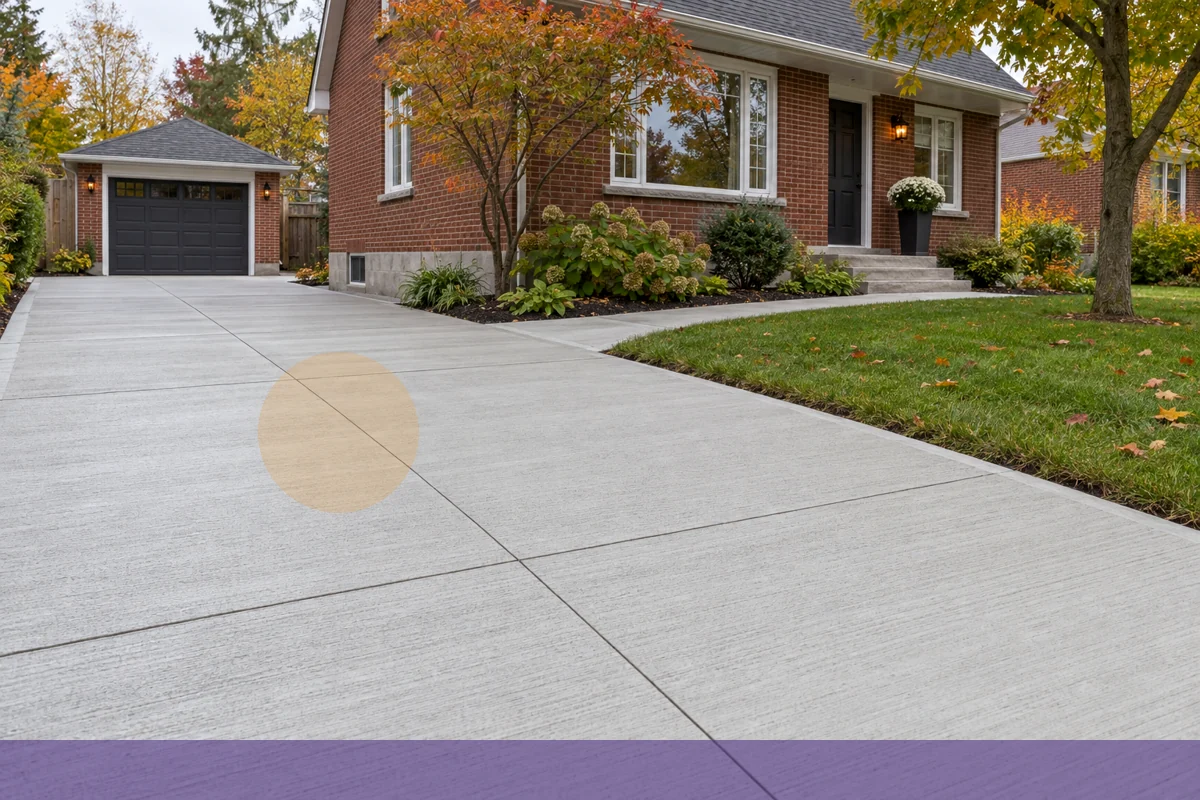
A concrete walkway should make movement around a property clearer, safer, and easier to maintain. Walkways connect driveways, entrances, garages, patios, gardens, shops, and outbuildings, so the best layout starts with how people actually move through the site. In Cornwall and Eastern Ontario, frost, snow, runoff, narrow side yards, tree roots, and changing grades can all influence the choice of route and the preparation needed below the surface. Cracked panels, trip edges, ponding, poor transitions, and a path that no longer meets the way a property is used are common reasons to request an assessment. A new walkway may also be part of a renovation, accessibility improvement, landscape plan, or rural property upgrade. The requested width, turning areas, door clearances, stair connections, and lighting should be considered before the concrete details are selected. A useful service request includes the route, approximate length and width, current surface, photos of difficult areas, nearby drainage, and the intended users. Installation planning may include excavation, base preparation, formwork, reinforcement, joints, grading, finishing, curing, and protection. Those choices affect how the walkway looks and how it performs through seasonal changes.
When should a property owner call about Concrete Walkways?
A concrete walkway should make movement around a property clearer, safer, and easier to maintain. Walkways connect driveways, entrances, garages, patios, gardens, shops, and outbuildings, so the best layout starts with how people actually move through the site. In Cornwall and Eastern Ontario, frost, snow, runoff, narrow side yards, tree roots, and changing grades can all influence the choice of route and the preparation needed below the surface. Cracked panels, trip edges, ponding, poor transitions, and a path that no longer meets the way a property is used are common reasons to request an assessment. A new walkway may also be part of a renovation, accessibility improvement, landscape plan, or rural property upgrade. The requested width, turning areas, door clearances, stair connections, and lighting should be considered before the concrete details are selected. A useful service request includes the route, approximate length and width, current surface, photos of difficult areas, nearby drainage, and the intended users. Installation planning may include excavation, base preparation, formwork, reinforcement, joints, grading, finishing, curing, and protection. Those choices affect how the walkway looks and how it performs through seasonal changes.
Questions worth answering before work begins
Consider how the surface will be used in every season, how water will move, what equipment or people need to reach it, and which existing features must remain protected. Note the areas that are cracked, settled, soft, narrow, difficult to access, or no longer fit the property. A concise description with photos and approximate measurements helps organize the next conversation and makes it easier to compare appropriate service options.
Questions worth answering before work begins
Consider how the surface will be used in every season, how water will move, what equipment or people need to reach it, and which existing features must remain protected. Note the areas that are cracked, settled, soft, narrow, difficult to access, or no longer fit the property. A concise description with photos and approximate measurements helps organize the next conversation and makes it easier to compare appropriate service options. Also note nearby doors, steps, fences, gardens, downspouts, trees, utilities, and future improvements so the proposed work can be discussed in context.
Discuss your project
Share the location, scope, timing, and any site conditions that may affect the work.