
What problems make Rural Concrete Installation necessary in Cornwall and Eastern Ontario?
Name the visible symptoms or property conditions that create a need for Rural Concrete Installation in Cornwall and Eastern Ontario. Explain why the problem develops, why timely service matters, what can worsen if it is ignored, and what must be assessed before work begins.
How does professional Rural Concrete Installation protect the property?
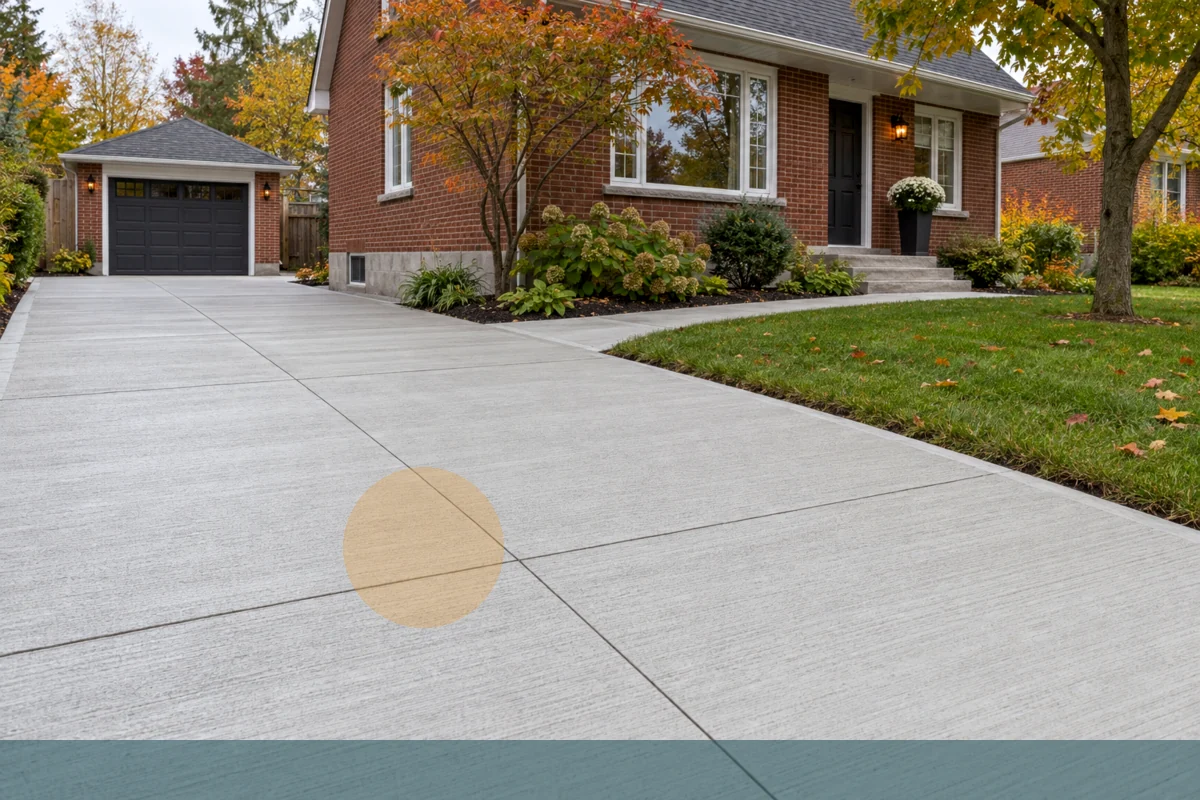
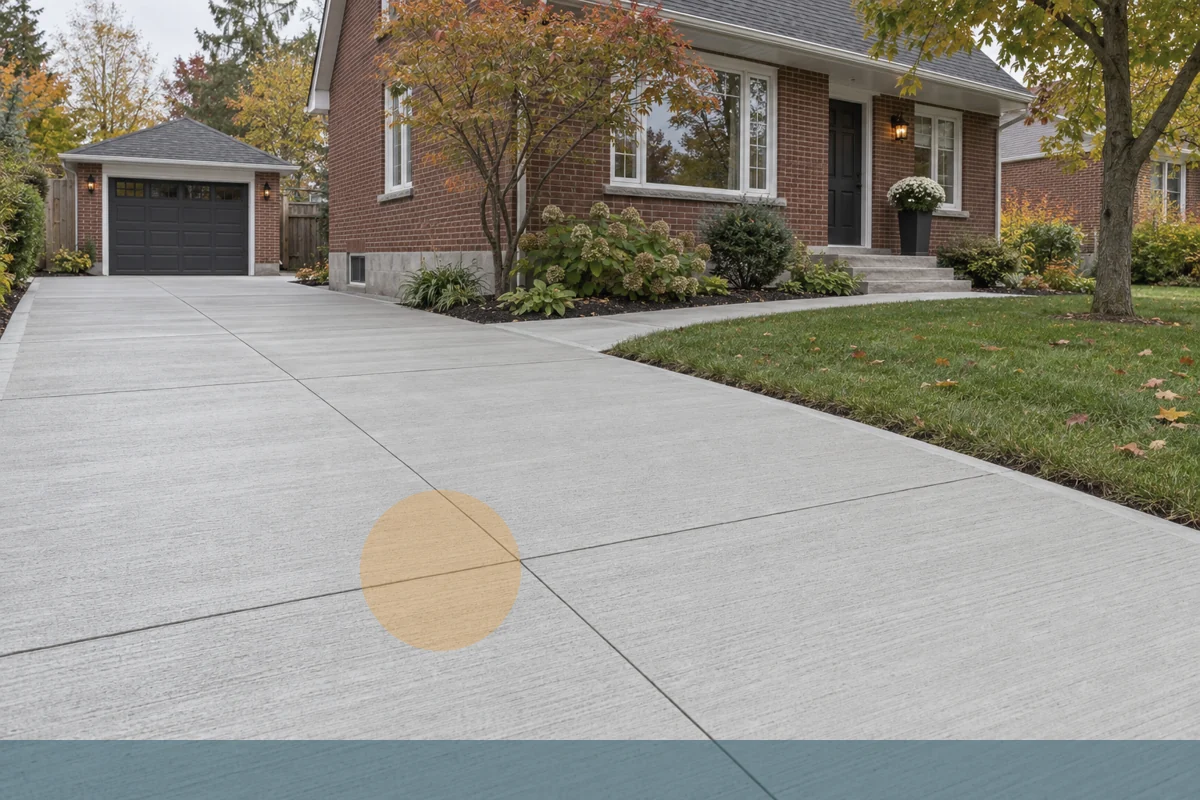
Rural concrete work often combines longer access routes, changing grades, larger sites, outbuildings, agricultural uses, and drainage conditions that do not appear on a compact urban lot. A rural driveway, equipment pad, walkway, porch approach, or slab should be planned around the property’s actual traffic, soil, water movement, seasonal access, and future improvements. Cornwall and Eastern Ontario properties can have different site constraints even when two projects appear similar from the road. Owners may be preparing a new rural home, replacing a damaged approach, improving access to a shop, creating a stable base for equipment, or correcting areas that stay soft after rain and spring melt. The project discussion should cover the route, width, turning needs, delivery access, slope, drainage, nearby wells or septic areas, trees, fences, and the weight or frequency of use. Photos and an approximate site sketch are useful starting points. Rural planning benefits from clear sequencing. Identify the intended use, review site constraints, confirm any applicable plans or permits, consider base and drainage work, and then discuss concrete thickness, reinforcement, joints, edges, and finishing. A practical scope reduces surprises while leaving room for site-specific decisions after the property is understood.
When should a property owner call about Rural Concrete Installation?
Rural concrete work often combines longer access routes, changing grades, larger sites, outbuildings, agricultural uses, and drainage conditions that do not appear on a compact urban lot. A rural driveway, equipment pad, walkway, porch approach, or slab should be planned around the property’s actual traffic, soil, water movement, seasonal access, and future improvements. Cornwall and Eastern Ontario properties can have different site constraints even when two projects appear similar from the road. Owners may be preparing a new rural home, replacing a damaged approach, improving access to a shop, creating a stable base for equipment, or correcting areas that stay soft after rain and spring melt. The project discussion should cover the route, width, turning needs, delivery access, slope, drainage, nearby wells or septic areas, trees, fences, and the weight or frequency of use. Photos and an approximate site sketch are useful starting points. Rural planning benefits from clear sequencing. Identify the intended use, review site constraints, confirm any applicable plans or permits, consider base and drainage work, and then discuss concrete thickness, reinforcement, joints, edges, and finishing. A practical scope reduces surprises while leaving room for site-specific decisions after the property is understood.
Questions worth answering before work begins
Consider how the surface will be used in every season, how water will move, what equipment or people need to reach it, and which existing features must remain protected. Note the areas that are cracked, settled, soft, narrow, difficult to access, or no longer fit the property. A concise description with photos and approximate measurements helps organize the next conversation and makes it easier to compare appropriate service options.
Questions worth answering before work begins
Consider how the surface will be used in every season, how water will move, what equipment or people need to reach it, and which existing features must remain protected. Note the areas that are cracked, settled, soft, narrow, difficult to access, or no longer fit the property. A concise description with photos and approximate measurements helps organize the next conversation and makes it easier to compare appropriate service options. Also note nearby doors, steps, fences, gardens, downspouts, trees, utilities, and future improvements so the proposed work can be discussed in context.
Discuss your project
Share the location, scope, timing, and any site conditions that may affect the work.